
Best Business Credit Cards for Freelancers and Independent Contractors 2026
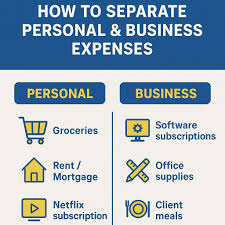
A business credit card is one of the highest-value financial tools available to freelancers, yet many independent workers either use their personal card for everything or avoid credit cards entirely out of caution. Both approaches leave significant value on the table. The right business credit card automatically tracks and categorizes every business expense, earns cash back or travel rewards on spending you are doing anyway, helps build a business credit profile, and provides a clean separation between business and personal finances that simplifies your taxes dramatically.
This guide covers the best business credit cards for freelancers in 2026, organized by the type of freelancer each card suits best, along with strategic guidance on how to use a business credit card correctly.
Why Every Freelancer Should Have a Dedicated Business Credit Card
Before diving into specific card recommendations, let us establish why a business credit card is worth having in the first place.
Automatic Expense Tracking
Every business purchase made on your card is automatically recorded with the date, merchant, and amount. At tax time, your card’s year-end summary provides a complete record of every deductible business expense — without you having to keep receipts for every cup of coffee you bought in a client meeting or every software subscription renewal.
Rewards on Spending You Are Already Doing
If you are spending $2,000 per month on business expenses — software subscriptions, equipment, home office supplies, professional development, advertising — that is $24,000 per year in spending. A card that returns 2 percent cash back on all purchases earns you $480 per year in rewards on purchases you would make regardless. Cards with category bonuses can return significantly more.
Building Business Credit
Using a business credit card responsibly and paying it in full each month builds a business credit profile under your business name and EIN. Strong business credit makes it easier to qualify for business loans, higher credit limits, and better terms in the future — important as your freelance business grows.
Purchase Protection and Extended Warranties
Most business credit cards offer purchase protection (covering damage or theft of new purchases for 90 to 120 days) and extended warranty coverage (adding one to two years to manufacturer warranties). For freelancers who purchase expensive equipment, these protections provide real financial value.
The Interest-Free Float
Paid in full each month, a credit card gives you 21 to 55 days of interest-free use of someone else’s money. For a freelancer managing cash flow with irregular income, this float can be genuinely useful — you can pay for expenses on the card and settle the bill after your next client payment arrives.
The Most Important Rule: Pay in Full Every Month
Business credit cards are tools, not loans. The rewards, protections, and benefits only make financial sense when you pay your balance in full every month. Business credit card interest rates typically range from 20 to 30 percent APR — rates that completely obliterate any rewards you earn if you carry a balance. Use the card as a convenience and tracking tool, not as a source of financing.
Best Business Credit Cards for Freelancers in 2026
Chase Ink Business Cash — Best for Office and Tech Spending
The Chase Ink Business Cash is consistently one of the highest-value no-annual-fee business cards available, particularly for freelancers with significant spending on office supplies and technology services.
Rewards structure: 5 percent cash back on the first $25,000 spent annually at office supply stores and on internet, cable, and phone services. 2 percent on the first $25,000 at gas stations and restaurants. 1 percent on all other purchases.
For a freelancer who spends $500 per month on software subscriptions, cloud services, and phone/internet ($6,000 per year), the 5 percent category earns $300 per year on that spending alone — plus rewards on all other business purchases.
Welcome offer: Typically $750 in cash back after spending $6,000 in the first three months — one of the strongest welcome bonuses among no-annual-fee cards.
Additional benefits: Free employee cards, purchase protection, extended warranty, travel and emergency assistance services, and the ability to transfer rewards to Chase Ultimate Rewards points for potentially higher value on travel redemptions.
Best for: Freelancers with significant monthly spending on software subscriptions, cloud storage, business phone lines, and internet service.
American Express Blue Business Cash — Best Flat-Rate Card
The American Express Blue Business Cash card offers a straightforward and generous flat-rate rewards structure that suits freelancers who do not want to track spending categories or optimize for maximum rewards.
Rewards structure: 2 percent cash back on all eligible purchases, up to $50,000 per calendar year. After $50,000, rewards drop to 1 percent. Cash back is automatically credited to your statement — no redemption process required.
For a freelancer spending $2,500 per month on all business expenses ($30,000 per year), the 2 percent flat rate earns $600 per year in automatic cash back.
Additional features: The Expanded Buying Power feature allows purchases slightly above your credit limit when American Express determines you have the ability to pay — useful for unexpected larger business purchases.
Best for: Freelancers who want maximum simplicity — one card, one rate, automatic rewards, no categories to track.
Chase Ink Business Unlimited — Best for Pure Simplicity
The Chase Ink Business Unlimited offers unlimited 1.5 percent cash back on every purchase with no categories, no rotating rewards, and no annual fee. It is slightly less generous than the Amex Blue Business Cash on a flat-rate basis but comes with Chase’s stronger travel benefits, superior purchase protection, and access to the Chase Ultimate Rewards ecosystem.
Best for: Freelancers who want a single no-fee card for all business spending and value Chase’s broader financial ecosystem.
Capital One Spark Cash Plus — Best for High Spenders
The Capital One Spark Cash Plus offers unlimited 2 percent cash back on all purchases with no spending cap — making it the best flat-rate card for freelancers with high monthly business expenses. Unlike the Amex Blue Business Cash, there is no $50,000 annual cap on the 2 percent rate.
The card charges an annual fee (approximately $150) but offers a significant welcome bonus that more than offsets the first year’s fee. The unlimited 2 percent rate becomes the superior option for freelancers spending more than $15,000 per year on the card — above that threshold, the additional rewards over a 1.5 percent card exceed the annual fee.
Additional benefits: No preset spending limit (charge card model — balance due in full each month), travel accident insurance, and extended warranty protection.
Best for: High-spending freelancers who want the simplicity of a flat rate without any annual spending cap.
American Express Business Gold — Best for Variable High-Category Spending
The American Express Business Gold card automatically identifies your two highest-spending categories each month and applies 4x Membership Rewards points to those categories (up to $150,000 in combined spending per year). Eligible categories include US advertising purchases, US shipping, US gas stations, US restaurants, and technology purchases including hardware, software, and cloud services.
For a freelancer who alternates between heavy advertising spending some months and heavy equipment spending in others, the automatic optimization of the 4x categories is genuinely valuable. The annual fee is significant (approximately $375) but can be offset by the rewards for freelancers with $3,000 to $5,000 or more in monthly business spending.
Best for: Established freelancers with high monthly spending across multiple business categories who want premium rewards and are comfortable tracking Membership Rewards points.
How to Use a Business Credit Card Strategically
Put Every Business Expense on the Card
The goal is to run every single business expense through your card — not just large purchases. Software subscriptions, Amazon business purchases, Zoom, Slack, Adobe Creative Cloud, business travel, client meals, professional development courses — everything that is legitimately a business expense should go on the card. This maximizes your rewards and creates a comprehensive expense record.
Pay from Your Business Checking Account
Always pay your business credit card balance from your business checking account, never from your personal account. This maintains clean financial separation and ensures your business expenses are accurately tracked.
Review Monthly for Deduction Opportunities
Spending five minutes each month reviewing your card statement helps you catch any personal charges that accidentally went on the business card and identify deductible expenses you might otherwise forget at tax time.
Do Not Use the Card as an Emergency Fund
A business credit card should never substitute for an emergency fund or be used to bridge a cash flow gap beyond the card’s normal payment cycle. If you find yourself carrying a balance, that is a signal to address your cash flow system — not a reason to continue carrying high-interest debt.
→ Best Bank Accounts for Freelancers in the US → Best Tax Deductions for Freelancers and Independent Contractors → How to Separate Personal and Business Finances as a Freelancer → Complete Freelance Finance Guide